
English
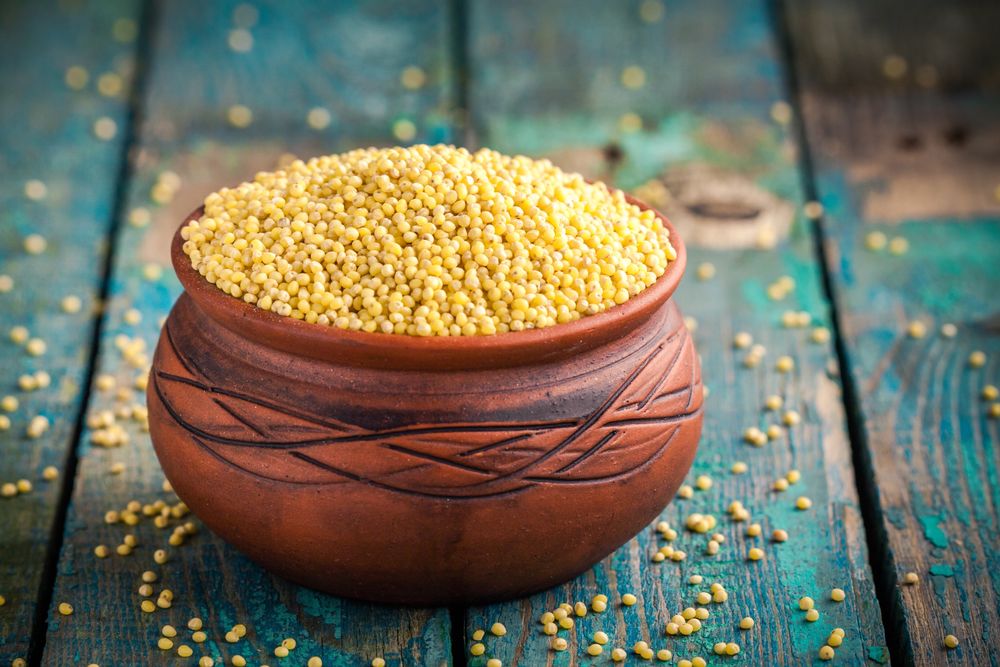
Millets are a powerhouse of nutrients. They boost your health and improve weight loss, besides being gluten-free.
Table of Contents
Millets are available in a variety of types, and each has its own health benefits. Consuming millet as part of your daily diet is an age-old concept. The population of central and southern India consumed millet daily until the Green Revolution made rice and wheat more accessible.
With the boom of rice and wheat production, millets took a back seat for some years. However, they have now reclaimed their position in the kitchen and heart of health conscious individuals.
Millets are coarse grains with a high nutritional value. They are rich in protein, vitamins, minerals, and fibres. Unlike other cereals, millets require little water and ground fertility. The sheer affordability of millets also tags them as ‘poor man’s food grain’. The world is now noticing millets for their enormous potential.
You can divide Millets into two broad categories:
Naked grains refer to the millets devoid of the tough, indigestible husk, such as Ragi, Jowar, and Bajra. These millets don’t require processing after their harvest. They can be consumed right after cleaning. These millets are therefore significantly cultivated today.
Foxtail millets, Little millets, and Kodo millets belong to this second type. These types consist of an indigestible seed coat that has to be removed before consumption. The processing of these millets is one of the reasons for making them less popular.
Millets contain a host of micronutrients such as iron, calcium, and phosphorus. Also, they take time to digest, which doesn’t cause the blood sugar spike associated with easily digestible food. So introducing millet into your diet can help control diabetes.
Millets come in different shapes and sizes. The two broad categories discussed above contain numerous kinds of millets. We will take a look at some of these different types below:
Foxtail millet, or indigenously called Kakum/Kangni. It contains blood sugar balancing healthy carbohydrates. The iron and calcium content present in it also helps strengthen immunity. In addition, foxtail millets help regulate your blood cholesterol and increase HDL cholesterol levels in your body.
Ragi is a more common name for finger millet. It is used as a healthier cereal substitute for rice and wheat. Ragi is gluten-free and rich in protein and aids brain development in growing children.
Bajra is incredibly nutrient-dense. It contains minerals such as calcium and magnesium, protein, fibre, and iron. Practice regular consumption of pearl millet to fight against type II diabetes and aid weight loss.
Go for buckwheat if your primary concern is to lose weight. It makes for a healthy food option for diabetes, helps lower blood pressure, and improves cardiovascular health. Buckwheat also fights against diseases such as gallstones, childhood asthma, and breast cancer.
Little millet is also an excellent option for those looking to lose weight. You can eat it as a rice replacement. It is high in fibre and filled with numerous minerals such as potassium, zinc, iron, and calcium. It is also packed with the health benefits of vitamin B and works as an antioxidant for your body.
Millet are rich in protein and fiber, two essential nutrients for weight loss. They help to keep the stomach fuller for a longer duration of time and reduce the unhealthy snacking habit between meals. This helps in shedding the extra kilos without compromising on nutrition.
According to a meta-analysis, millet consumption lowers the incidence of blood sugar fluctuations. Millets have a low glycaemic index. Therefore consumption of millets regularly lowers the risk of developing diabetes. It also helps to stabilise the blood sugar levels in diabetics.
Research states that millet consumption, both major and minor are beneficial for building immunity. Protein intake is responsible for building the body’s immunity.
Millets being a great source of protein can help develop and strengthen our immunity. Stronger immunity means fewer chances of you catching diseases.
Millets contain essential fats, which provide our bodies with good fats. This prevents excess fat storage as well as effectively lowers the risk of high cholesterol, strokes, and other heart complications as stated by this study.
The potassium content in millets regulates your blood pressure and optimises your circulatory system.

The magnesium content in millets can reduce how frequently you experience migraines. It can also bring down the severity of your asthma complaints.
The reason is, unlike wheat, they do not contain the allergens that lead to asthma and wheezing.
Millets are a rich fibre source that benefits digestion by alleviating bloating, gas, cramping, and constipation. In addition, good digestion keeps issues like gastric/colon cancer and kidney/liver ailments away.
Millets help your body detox because of their antioxidant properties; Quercetin, curcumin, ellagic acid, and other valuable catechins flush out toxins from your body and neutralise the enzymatic actions of your organs.
Millets are rich in several beneficial nutrients, such as phosphorus, magnesium, copper, and manganese. Incorporating them into one’s diet can have various health benefits such as improved immunity and digestive health. It also protects against heart conditions and other complications like asthma. Millet consumption is known to aid weight loss and detoxify the body. It also regulates blood sugar levels which helps in the prevention of diabetes or better management of the condition.
The uses of millets are diverse. You can cook them for breakfast, lunch or dinner.
Use millet rice instead of white rice in your recipes, and your dishes will be significantly healthier. Given below is a rice-substitute millet preparation recipe.
Serving Size – 5 sushi rolls
Preparation Time – 45-50 minutes
For the Roasted Root Vegetables
For the Broccoli Cream
For the millet
You will also need 5 nori sheets and tamari sauce for serving.
1. Bake the vegetables first. Preheat the oven to 400F, put your vegetable strips onto a covered baking tray with a sprinkle of oil. Add some salt over the vegetables and bake them in the oven for 35 minutes or lightly browned. Take the tray out of the oven and allow the baked vegetables to cool.
2. Now, mix the millet with water and salt and bring it to a boil. Boil this mixture on medium heat for about 15 minutes. Once it has softened, keep it aside and let it cool down.
3. Boil the broccoli florets and sunflower seeds in water for 15 minutes and then drain and rinse these boiled vegetables with cold water. Add this cooked broccoli and sunflower seeds to a blender with cold water, soy sauce, and vinegar. Blend for a handful of minutes until you obtain a smooth mixture and set it aside.
4. Take a rolling mat and your nori sheets and prepare to make your sushi. First, add about a tablespoon of millet and spread it out. Then add some roasted veggies and a little of that broccoli cream.
5. Moisten the top of the nori sheet with some water and roll it into a tight sushi roll. Repeat the same process five times and then use a sharp wet knife to cut the sushi into pieces. Serve this sushi with leftover broccoli cream and tamari sauce. Enjoy your millet rice sushi.
Using a variety of millets as a replacement to traditional grains such as wheat, rice also gives different taste, flavour to the same dish along with nutritional benefits. Millets are gluten-free and a great alternative for those who are gluten intolerant. They can be eaten as a porridge for breakfast, as a side dish, or even used as a flour for baking. They can be added to soups, stews, and salads for an extra boost of nutrition. They have gained popularity in traditional dishes such as dosa and idli by replacing rice. You can also use millets to make healthy and delicious flatbreads, rotis, and even pancakes. With so many varieties of millets the options are endles.
Millets flew under the radar with the presence of more popular cereals, like rice and wheat. It was only recently that health and fitness enthusiasts from across the world understood its potential. The health benefits that the humble food grain offers are truly unique.
Unlike wheat and rice, millet cultivation is incredibly sustainable. This food grain benefits our bodies by strengthening our immunity, keeping diseases in check, and aiding weight loss. In addition, millets take longer to break down in the body and keep us satiated for longer.
There are many ways to include millet in your diet. You can use this food grain as a cereal substitute, make porridge, or infuse it into cupcakes – the uses of millets in cuisine are endless. So include this superfood in your everyday diet and notice the positive changes it brings to your life.