
English
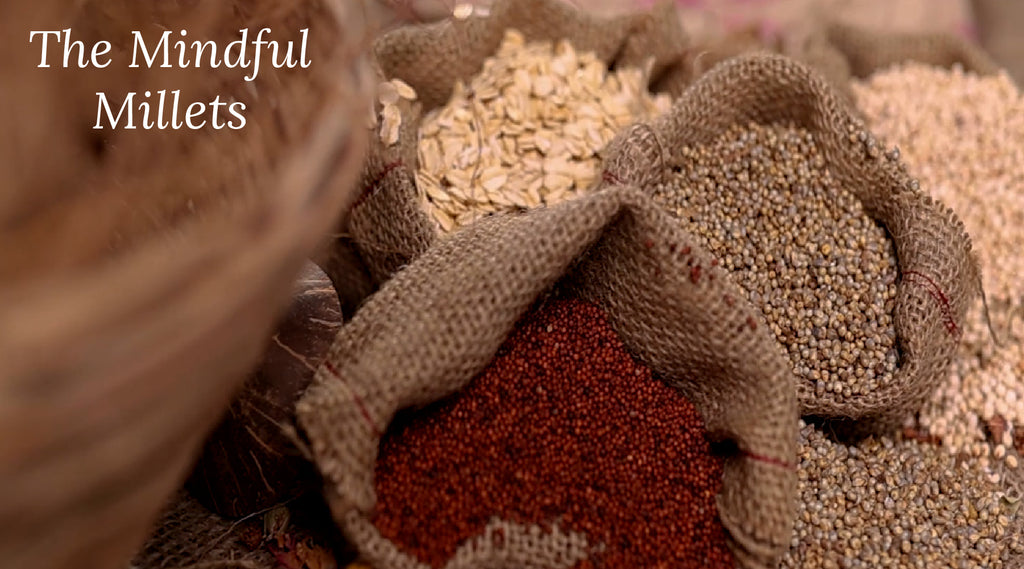
Millet is a type of cereal that is a part of the grass family Poaceae. This small round whole grain is grown in India and Nigeria, especially in Asia and Africa. Just like brown rice and quinoa, millet food can be cooked for easy digestion.
There are multiple types of millets. However, most common varieties include Finger Millet, Foxtail Millet, Pearl Millet, Proso Millet, Little Millet and Sorghum Millet. Millet is loaded with nutritional value and that is why many dieticians and doctors recommend it as one of the breakfast cereal that you must include in your diet. Additionally, millet muesli is also recommended by diet consultant experts because it is a more nutrient dense type of millets.
It is commonly called Jowar in India. The largest sorghum-producing states in India are Maharashtra and Karnataka. Some varieties of Sorghum are used for ethanol production.
Also called broom corn millet, this grain is mostly found in the drier regions of Asia, Australia, Africa, Europe, and North America. You do not need a lot of water to grow this crop.
In India, you will find this crop by the name Bajra and is mostly grown in states such as Gujarat, Rajasthan, Maharashtra, Uttar Pradesh, and Haryana.
Foxtail millet or Italian millet is usually grown in a semi-arid region. The growing season of this types of millets in India is very short.
The common name for finger millet in India is ragi. The ragi millet is popular for its nutritional benefits. It is one of the high-grown millets in India and ragi flakes mostly used in baby foods.
This millets types is mostly grown in Karnataka and Andhra Pradesh. What makes this millet unique is that it can be grown even in less fertile soil.

This is one of the millets in India that is grown in certain parts of Andhra Pradesh and Uttarakhand. Its specialty is that it grows even in marginal lands.
Whether there is water logging or drought, this millet can be easily grown. This type of millet is usually found in the Eastern Ghats in India.
Buckwheat is one of the most popular varieties of millet, it is also known as kuttu in India and is frequently consumed during the Navratra fasting period. It lowers the blood pressure and is diabetic-friendly. It is beneficial for cardiovascular health, and you should include it in your diet if you wish to lose weight. Additionally, buckwheat safeguards against gallstones, asthma in children and breast cancer.
Amarnath also known as Rajgira, is a great source of protein and dietary fiber. It is excellent for a balanced diet. Additionally, this millet aids in preventing hair loss and greying. Amaranth also reduces cholesterol and the chance of developing cardiovascular disease. It contains a lot of calcium, vitamins and other nutrients.
Kodo millet is a digestible kind of millet that contains more of the amino acid lecithin. It helps to strengthened neurological system. Niacin, B6, and folic acid, among other B vitamins and other vitamins and minerals, are especially abundant in kodo. It has minerals such as calcium, iron, potassium, magnesium, and zinc. It is excellent for people who are gluten intolorent into because it is a gluten free millet. When used consistently by postmenopausal women, it can treat cardiovascular problems like excessive blood pressure and cholesterol levels.
According to some research, there are heap of millets benefits to the human body. Let's discuss a few of them.
Consuming millets cereal can help in regulating bowel movement since it contains fiber very much like rolled oats. It also contains prebiotics which helps in the growth of probiotic in the microbiome. This helps in improving gut health and immunity.
People who cannot tolerate gluten in their food can consume millets without any doubt since it is gluten free cereal. That is why many types of gluten free oats contains millets.
Magnesium is one of the nutrients which improve the cardiovascular system, and millet contains magnesium. As an individual consumes millet, the grain will help in improving the level of protein adiponectin, which ultimately helps in protect cardiovascular tissues.
One of the millet benefits is that it has a high concentration of the amino acid, tryptophan, which helps in improving mood. People who are suffering from anxiety or depression must consume millets in their daily diet.
People who have been struggling with the problem of obesity or being overweight should consider including millet in their diet.
Per 100gm serving of uncooked millets provides 378 calories. All millets types are rich in carbohydrates. Therefore, you can expect to feel and stay energized after consuming millet for a long time. Apart from carbohydrates, it is also a great source of protein, fiber, vitamins, minerals, and antioxidants. You can in fact get calcium in finger millet. These are some of the nutrients that you need in your body regularly. Therefore, consuming millet can help you get several types of essential nutrients.
If you want to add millet to your diet regularly, the following tips can be helpful for you.
Now, all that you must do is buy the best quality millet and start adding it to your meals.