Semi Truck Transmission Basics
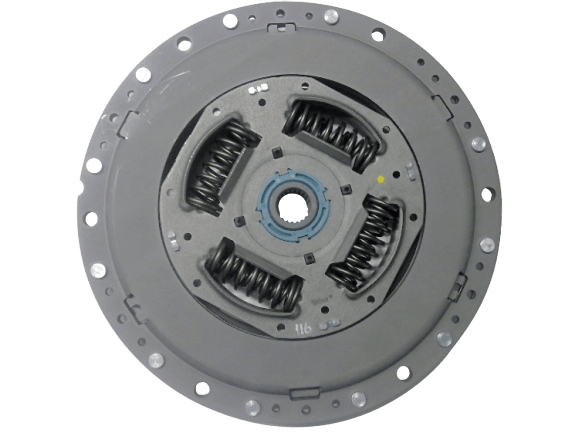
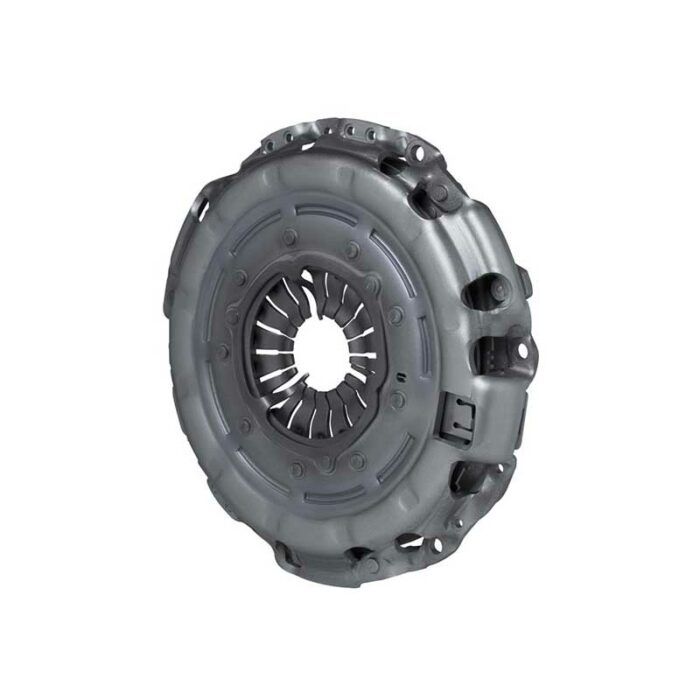
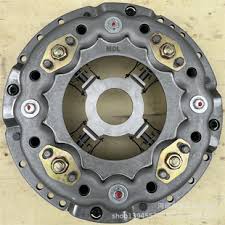
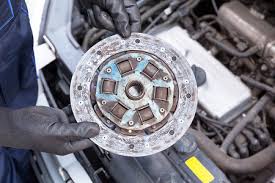
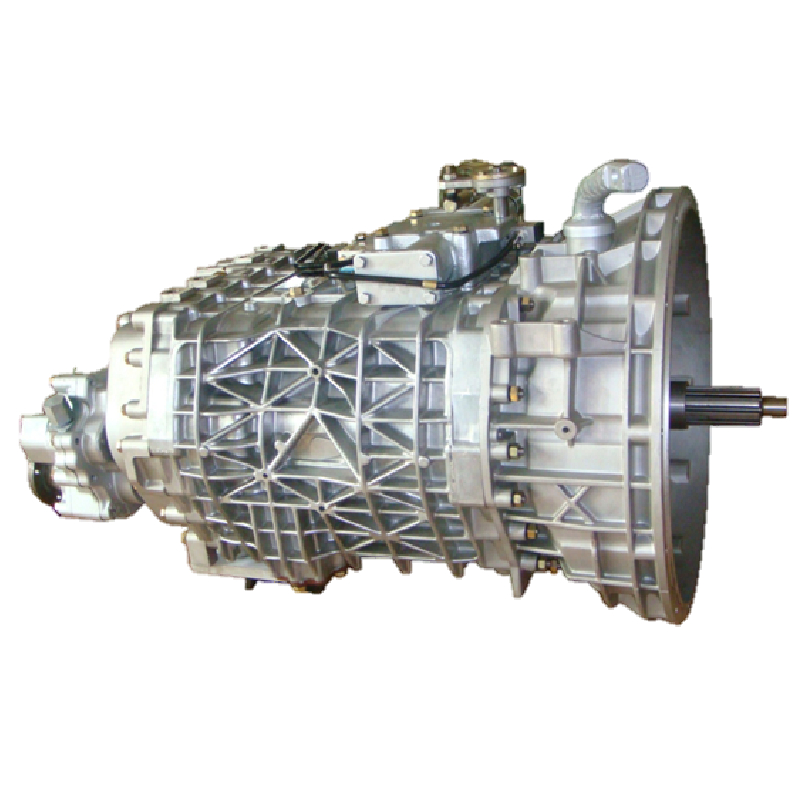
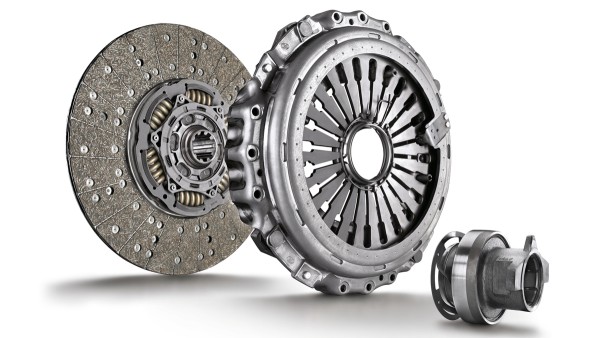
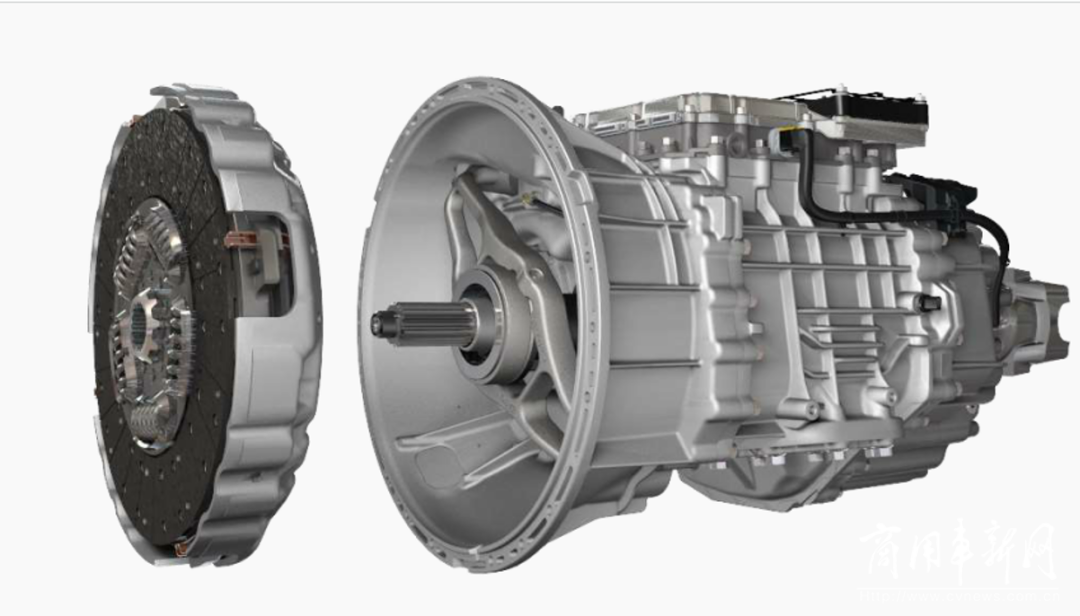
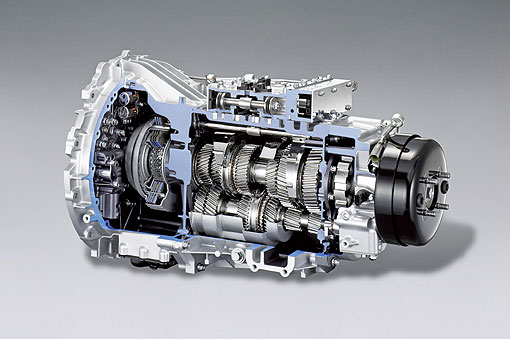
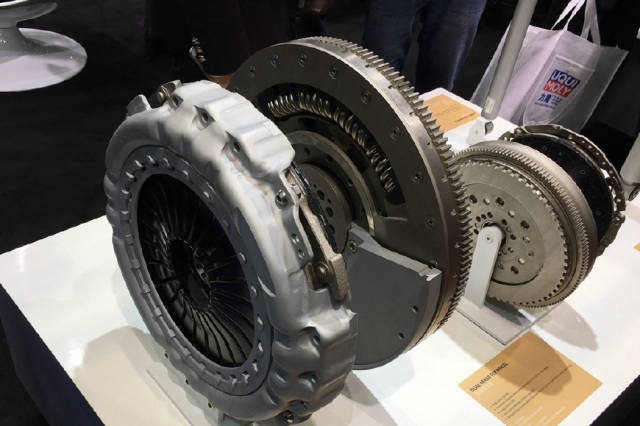
A synchronous truck transmission operates under the same mechanics as a regular clutch transmission. This means that the clutch will engage when the driver presses down on the pedal and release it when the driver releases the pedal. In a way, this is similar to a car’s clutch system. In order to keep the car in motion, the clutch has to be engaged. Because a diesel engine has a lot of power, the clutch can be manually operated, while some diesel engines have a limited amount of power available when the clutch is engaged, which requires the use of an automatic transmission fluid.The benefits of automatic transmissions are that they provide high fuel economy and superior acceleration. They also require little maintenance, do not require oil changes, and deliver excellent control. However, the biggest disadvantage is that drivers must frequently service their units, which can be time-consuming. On the other hand, manual transmissions are highly fuel efficient and also deliver superb acceleration and top speed.One example of a truck transmission is the semi-automatic, or semi-analog, transmissions. These units do not use a clutch but instead rely on the transfer case and timing diagrams to guide the transfer of power between the transmission and the engine. The transfer case dictates how the engine receives power, whereas the timing diagram tells the motor how to send the power to the axle. Most truck owners prefer automatic transmissions because they do not need to change gears; they simply need to shift gears. Manual transmissions, however, are more reliable and require more maintenance than their automated counterparts.
View More