
English
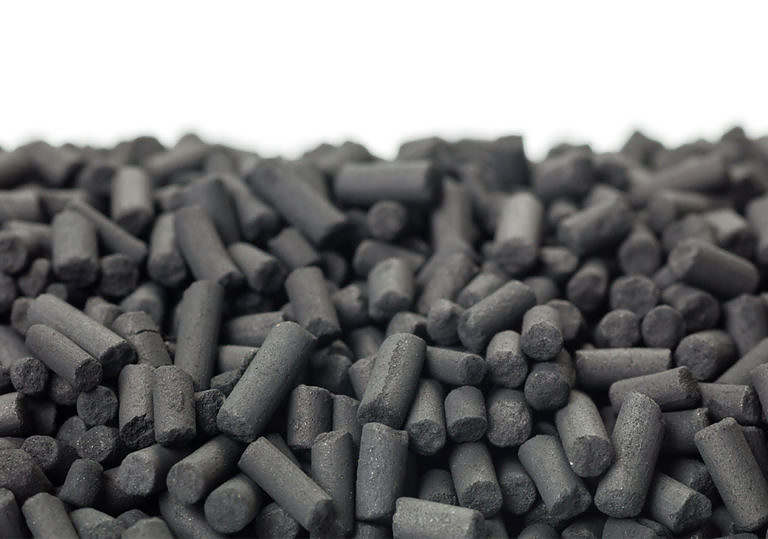
Coal-based activated carbon serves as an economical and flexible alternative to coconut-based activated carbon, offering a high degree of adaptability and performance in various applications. One key performance indicator for coal-based activated carbon is the CTC (Carbon Tetrachloride, CCl4) value, which is based on pore size and is crucial for assessing its effectiveness in different filtration processes.
Product Details
In Mellifiq's Nodora air treatment systems, coal-based activated carbon in pelletized form is utilized for odor control, providing an effective solution for eliminating unwanted smells and improving air quality. Additionally, coal-based activated carbon is commonly employed for the removal of unwanted tastes, decolorization, and purification of drinking water, making it a versatile solution for water treatment applications.
Compared to coconut-based activated carbon, coal-based activated carbon typically has a slightly higher ash content due to its raw material source. However, this does not diminish its effectiveness, and it remains a cost-effective and efficient option for a wide range of filtration needs.
The flexibility of coal-based activated carbon is evident in its ability to cater to both air and water treatment applications, depending on the granule or pellet size used. Particle sizes up to around 2 mm are recommended for water treatment, while particles ranging from 2 to 5 mm are well-suited for air treatment applications. This adaptability allows for tailored solutions to address specific filtration requirements in different industries and processes.
Overall, coal-based activated carbon stands out as an excellent choice for a variety of filtration applications, offering economic advantages and a high degree of flexibility. Its effectiveness in both air and water treatment, coupled with its adaptability to different particle sizes, makes it a valuable asset in Mellifiq's portfolio of filtration solutions.
Related Products
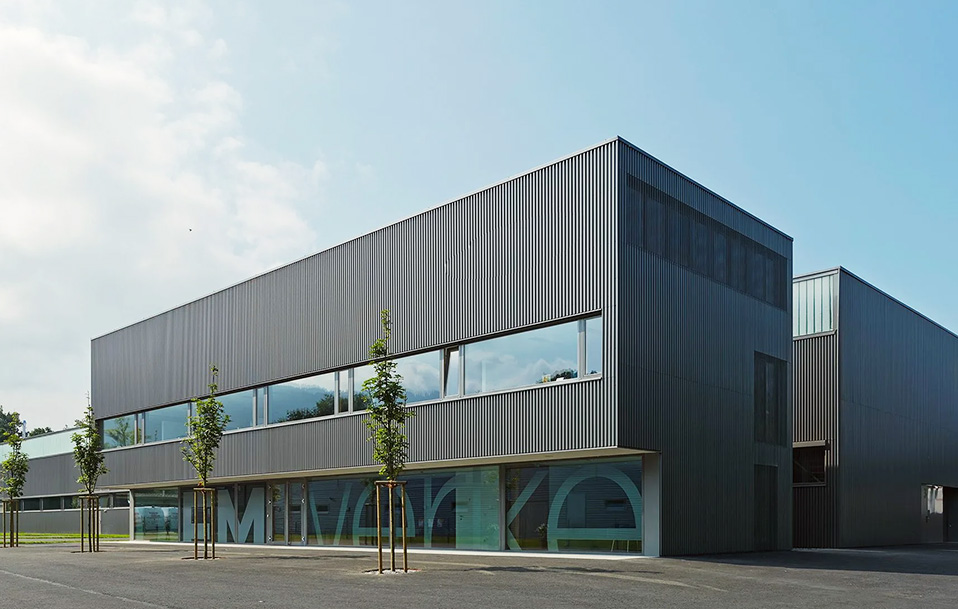
In 1985, Datong Locomotive Works realized that electric locomotives were the important development direction of China railway locomotive and rolling stock industry in the future, and put forward the production layout idea of "Nanzhu (Zhuzhou Electric Locomotive Works) and Datong Locomotive Works".
Shaoshan Type 3 electric locomotive is my country’s second generation 6-axle passenger and cargo locomotive. The locomotive adopts bridge-type full-wave rectification and realizes thyristor phase-controlled smooth voltage regulation. The locomotive adopts single-phase AC 25kV 50Hz voltage system and has a maximum operating speed of 100km/h.

The SS3B fixed heavy-duty electric locomotive is a 12-axle freight electric locomotive. It consists of two identical 6-axle locomotives connected by a coupler and a windshield. The two sections are equipped with electrical system high-voltage connectors, control cables, and network shielding. Line and air system control ducts. The entire vehicle can be controlled synchronously from any cab. The locomotive adopts single-phase power frequency system, voltage 25kV, AC-DC transmission, and the maximum operating speed of the locomotive is 100km/h.
Shaoshan 4 improved electric locomotive is an 8-axle freight locomotive. The locomotive consists of two identical four-axle locomotives connected by a coupler and a windshield. The two workshops are equipped with high-voltage connectors for the electrical system, reconnection control cables and air brake system control ducts. The entire vehicle can be synchronously controlled from the driver's cab of any one of the vehicles. The two locomotives can also be separated and used independently as a four-axle locomotive.